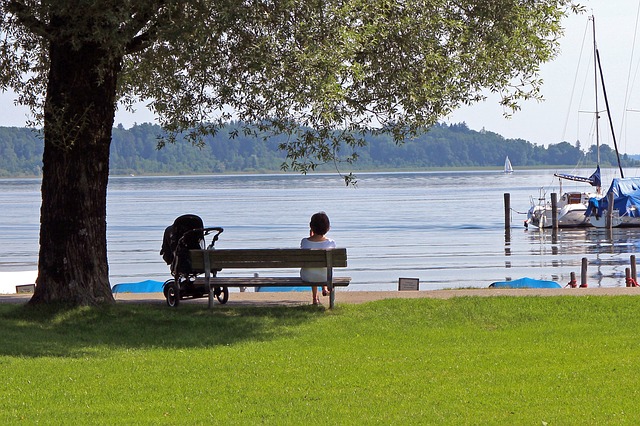
 Summer is a busy time of year. Of course, most of us are busy all year long. Still summer seems to be a time when we feel this urge to cram as many activities as possible into this short period of time. Some of you may be fortunate enough to live in a place where the seasons are not so pronounced. Even where that is the case, summer still seems to present a different vibe than the rest of the year. Perhaps it is the residue of “school is out” mentality. Or simply that the days are longer no matter where you are and everyone wants to take advantage of all that daylight.
Those of us in the northern region who live in tourist areas feel the busy-ness of summer even more acutely. Many businesses in our area only operate during the tourist season. Suddenly everything is open and there is this frantic need to “make hay while the sun shines”. People travel more and have more visitors. Those of you with school-aged children feel a particular pressure to take advantage of the break in routine that school vacation provides.
All of this can lead to a surprising and sometimes unrecognized increase in stress. It would seem that the promise of leisure time should enable us to relax. But more often just the opposite is the result. If you are working, you feel the obligation to get as much done as possible before a vacation and then you’re faced with everything that piles up while you’re gone. The delightful anticipation of welcoming visitors can be marred by the overwhelming feeling of all you have to do to make them comfortable and enhance their visit. Vacation time never seems long enough and travel can create additional stress.
Just reading this may be stressing you out. But the good news is that there is hope. And it is right within your grasp and everyone can do it. It’s called breathing. Yup! That mysterious process that keeps us alive which we often take for granted can also be our ally in reducing stress. Taking a few moments to focus on and slow our breathing can activate the parasympathetic nervous system which calms and soothes us. There are scientific and biological reasons for this which I won’t go into here. Suffice it to say that this system is the opposite of our “fight or flight” reflex that puts us in high-alert mode. If you’re interested you can read more about it and even check out some controlled breathing practices in a number of articles on the subject including this one from Yoga Journal.
No matter what time constraints you are laboring under, there is always time to breathe. Since you’re going to breathe whether or not you are paying attention, why not just stop whatever it is you are doing and simply focus on your breathing. All you have to do is notice air coming in and air going out. Just follow the air for a couple of cycles. You may notice that even this simple practice has a calming effect. Most of the causes of stress and anxiety are worries about things that may (or may not) happen in the future but have not happened yet, or things that have already happened which we can’t change. Breathing is always in the present. When you focus on the present moment – not the past or the future – usually everything is really OK. Not always. But mostly. And here’s the really good news – when the past or future starts to bring that stress back, all you have to do is return to your breathing. It’s always there. Even if you have trouble breathing, you can still benefit from focusing and slowing down the process.
In yoga and Pilates there is a huge emphasis on breathing as part of the practice. Breathing with the movement is an integral part of both practices. It is every bit as important as the movement itself. It doesn’t take long for even new practitioners to recognize that if they focus on moving and breathing together, it is difficult to think about anything else while they’re practicing. The other benefit that becomes clear is that the breath actually helps with the movement. Bringing oxygen and other nutrients to your muscles when you move them enables them to work that much more efficiently. Exhaling completes the process by eliminating everything you no longer need from your respiratory system.
Pilates and yoga further enhance the benefits of breathing by helping to improve posture. This article from the American Council on Exercise describes how posture affects breathing. Many of us have experienced the pain that can result from poor posture and the muscle imbalances it creates. The most common of these are back, neck and shoulder problems, but when these persist they can lead to many other ailments. Once movement becomes difficult the tendency is to restrict moving which usually makes things worse. How amazing to learn that breathing can actually begin the healing process! An article from Yoga Basics shows that breathing can help with upper back pain as well as lower.
Breathing is a tool available to all of us all the time. It’s the life force that is truly a miracle. The yogis call it “prana”. It is the first thing a baby does at birth and the last thing we do at the moment of death. In between, we can show our reverence for this process by letting it help us. Let your breathing guide you toward enjoyment of each moment this summer.

 Mile High Pilates and Yoga